Press Release · Copperweld
Copperweld® CCA THHN/THWN-2 Offers Cost-Stable Alternative to Copper Wire
Distributed by Times Beats · Originally issued via PR Newswire
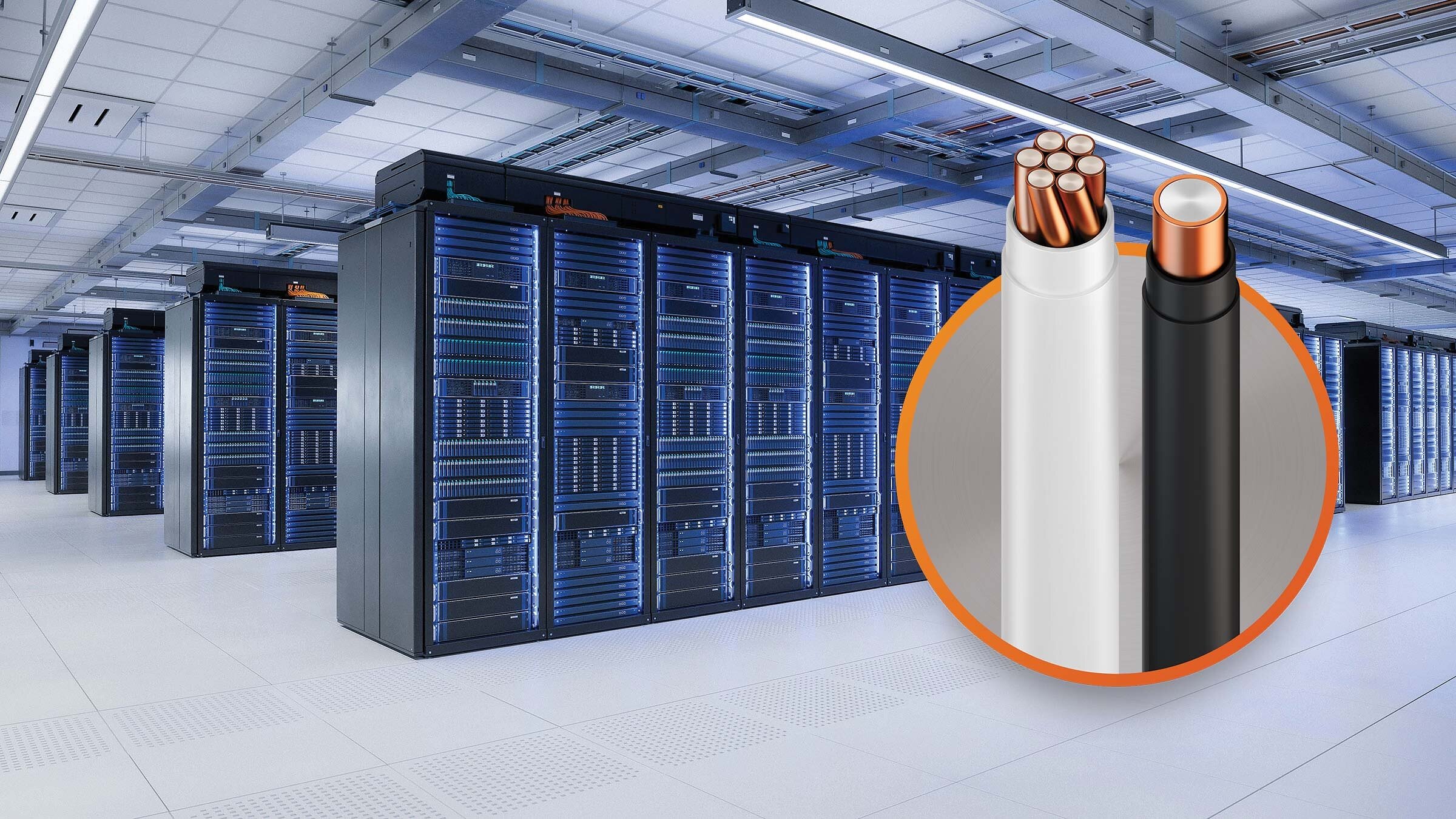
FRANKLIN, Tenn., Nov. 10, 2026 — Copperweld® Copper-Clad Aluminum (CCA) THHN/THWN-2 is a purpose-engineered bimetallic conductor designed for the scale and demands of commercial and industrial electrical system design.
Copperweld THHN/THWN-2 combines an 8000-series aluminum core with a metallurgically bonded copper exterior, bringing the material advantages of both metals together in a single conductor. That bimetallic construction gives commercial and industrial teams a trusted CCA solution to manage material costs, optimize electrical performance and improve installation efficiency.
Copperweld THHN/THWN-2 offering spans 12 AWG through 1 AWG, with solid and stranded constructions and a wide range of configurations to serve conductor needs across commercial and industrial electrical systems.
Copperweld THHN/THWN-2 conductors are designed for use in raceway systems for branch circuits, feeders and equipment connections across commercial facilities, industrial plants and select residential applications. The THHN/THWN-2 designation identifies conductors rated for use in both wet and dry locations, subject to applicable NEC requirements. For specific permitted applications, refer to NEC Article 310.
Product Specifications:
- Voltage Rating: 600V
- Conductor Construction: Solid or stranded annealed Copper-Clad Aluminum
- Insulation: Color-coded PVC with a heat-stabilized nylon jacket
- Standards: UL 83, UL 1581 and ASTM B566
- Compliance: RoHS and REACH compliant
Product Offering:
CCA Conductor | Copper | Construction | Allowable Ampacity | Allowable Ampacity — |
12 AWG | 14 AWG | Solid / 7-strand | 20A | 25A |
10 AWG | 12 AWG | Solid / 7-strand | 30A | 35A |
8 AWG | 10 AWG | Solid / 7-strand | 40A | 45A |
6 AWG | 8 AWG | 7-strand | 50A | 55A |
4 AWG | 6 AWG | 7-strand | 65A | 75A |
3 AWG | 5 AWG | 7-strand | 75A | 85A |
2 AWG | 4 AWG | 7-strand | 90A | 100A |
1 AWG | 3 AWG | 7-strand | 100A | 115A |
*Ampacities are based on the Copper-Clad Aluminum columns of NFPA 70 Table 310.16 and are subject to applicable NEC requirements and limitations.
Availability & Packaging:
- Standard Colors: Black, blue, brown, gray, green, orange, purple, red, white and yellow. Additional colors are available upon request.
- Standard Lengths: 500, 1,000, 2,500 and 5,000 feet.
- Packaging: Hand coils, plastic spools and wooden reels.
- Additional Options: Other stranding, packaging options and denominations are available upon request.
Why Copperweld THHN/THWN-2 Is a Smarter Choice for Commercial and Industrial Applications
THHN/THWN-2 is used throughout commercial and industrial electrical systems, routed through conduit and raceways and incorporated into cable assemblies. Multiply those runs across a large facility or complex project, and conductor quantities and distances add up quickly — creating an application where the advantages of Copper-Clad Aluminum can add up just as quickly.
Material economics become increasingly important at that scale. With substantial quantities of THHN/THWN-2 running throughout a project, exposure to copper pricing is multiplied across every foot purchased. Specifying Copperweld CCA flips that equation, reducing reliance on copper and creating greater material cost stability across the project.
That same scale brings other CCA advantages into sharper focus:
- Long conductor runs make voltage drop an important consideration. Copperweld CCA provides less voltage drop than equivalently rated copper.* That advantage becomes increasingly meaningful over longer distances, making CCA particularly well suited to conductor-intensive commercial and industrial applications.
- Every wire must be transported, staged, routed and pulled. That's why the lighter weight of CCA provides a practical advantage for crews working with substantial conductor quantities across long and complex installations.
- Lower scrap value helps reduce theft incentives. This is an important consideration when substantial quantities of conductor may be staged or installed across commercial and industrial jobsites that are often unattended after hours.
Technical Confidence Behind Every Specification
For designers and specifiers, Copperweld THHN/THWN-2 provides the documented standards, listings and technical guidance needed to incorporate CCA confidently into the electrical system.
- Standards / Certifications - Copperweld THHN/THWN-2 is manufactured to both UL83 and UL1581 and carries two certifications, respectively:
- UL E510284 / Intertek 5021266 - Copperweld certifications per UL83 covering thermoplastic insulated wire.
- UL E538020 - Copperweld certification per UL1581 convering CCA requirements for use in building wire.
- Listings – Copperweld THHN/THWN-2 carries UL listings E510284 and E538020 and ETL listing 5021266. Copperweld CCA conductors carry their own UL Recognized Component listing under DVVV2.
- Guidance – Clear identification and technical guidance support connections and terminations in the field. For splicing, look for the CC mark on the connector or connector packaging, which identifies connectors tested for use with CCA. CC-rated connectors can be used for CCA-to-CCA, copper-to-CCA and copper-to-copper splices, allowing the same connector to accommodate each of these common wiring configurations. For terminations on wiring devices, such as receptacles and switches, look for the CC mark on the device or device packaging. While not required for CCA, connectors marked CU/AL and devices marked CO/ALR are also suitable for use with CCA, providing additional options for installers.
Why Commercial and Industrial Teams Trust Copperweld
For more than a century, Copperweld has pioneered the science of bimetallic conductors. That expertise extends well beyond developing the conductor itself, with manufacturing, testing and technical capabilities built around ensuring consistent performance from production through installation.
Quality is continuously verified throughout manufacturing, with in-line testing built into the production process. Copperweld's Compliance Lab adds another level of technical validation as both a UL Data Acceptance Program (DAP) laboratory and Intertek ETL Satellite laboratory, with capabilities for qualification, certification and comparative testing.
That combination of bimetallic expertise, manufacturing control and advanced testing gives Copperweld an unusually deep understanding of the conductor technology behind its building wire — and the ability to continually validate how its products perform. Copperweld is the only U.S. manufacturer of CCA building wire, including CCA THHN/THWN-2, bringing that expertise directly to the finished product.
Copperweld also remains actively involved in the codes, standards and technical work surrounding CCA, helping advance understanding of a conductor technology the company has spent generations developing.
For designers, contractors and inspectors, that means confidence extends beyond the product listings. It's backed by Copperweld's engineering expertise, manufacturing controls, testing capabilities and technical support — all working together to make CCA easier to specify, understand and put to work.
A Smarter Approach to THHN/THWN-2
For commercial and industrial projects, Copperweld CCA THHN/THWN-2 offers practical advantages over traditional solid-copper conductors from procurement through installation:
- Smarter material spend: Reduced conductor material costs leave more room in the electrical budget to absorb other project expenses or invest where those dollars deliver greater value.
- Cost stability: Reduced reliance on solid copper helps limit exposure to copper price volatility and supports more predictable material costs.
- Lower voltage drop: Copperweld CCA provides less voltage drop than equivalently rated copper, an advantage that becomes increasingly meaningful across longer runs.*
- Installation efficiency: Lighter conductor weight supports easier handling, staging, routing and pulling across conductor-intensive projects.
- Reduced theft incentives: Lower scrap value than solid copper helps reduce theft incentives and the potential for associated replacement costs and schedule disruptions.
- Specification confidence: Established standards, NRTL listings, clear product markings and documented technical guidance support confident specification and installation.
- Bimetallic expertise: More than a century of Copperweld experience, backed by manufacturing controls, advanced testing capabilities and technical support.
Frequently Asked Questions About Copperweld CCA THHN/THWN-2
What is Copperweld Copper-Clad Aluminum THHN/THWN-2? Copperweld CCA THHN/THWN-2 is a 600V building wire that uses a bimetallic conductor consisting of an 8000-series aluminum core with a metallurgically bonded copper exterior. The conductor is insulated with color-coded PVC and protected by a heat-stabilized nylon jacket.
Is Copper-Clad Aluminum the same as aluminum wire?
No. Copper-Clad Aluminum is a bimetallic conductor with an 8000-series aluminum core and oxygen-free copper metallurgically bonded to the exterior, providing a copper surface at the termination. Its construction and performance requirements are specific to CCA.
Is Copperweld CCA THHN/THWN-2 code compliant?
Yes. Copper-Clad Aluminum conductors have been recognized by the NEC since 1971. Copperweld THHN/THWN-2 is manufactured to UL 83 and UL 1581, carries UL and Intertek listings, and uses CCA conductors manufactured to ASTM B566. Allowable ampacities are established for Copper-Clad Aluminum in NEC Table 310.16.
Why is Copperweld CCA a larger gauge than equivalent copper?
Copper-Clad Aluminum conductors are sized according to their allowable ampacities. As a result, Copperweld CCA may use a larger conductor size than a comparable copper conductor. For example, 12 AWG CCA is comparable to 14 AWG copper in many common applications, although allowable ampacities do not necessarily match across all comparable conductor sizes.
Does the larger size make Copperweld CCA heavier?
No. Even after sizing for equivalent ampacity, Copperweld CCA conductors are lighter than their solid-copper equivalents, providing a practical advantage when transporting, staging, routing and pulling conductor across commercial projects.
Does the larger conductor size affect conduit fill?
Yes. Conduit fill calculations should use the actual CCA conductor size and dimensions rather than the size of the equivalent copper conductor.
What devices, connectors and terminals can be used with Copperweld CCA?
CCA connections are straightforward. For splicing, look for the CC mark on the connector or connector packaging, which identifies connectors tested for use with CCA. CC-rated connectors can be used for CCA-to-CCA, copper-to-CCA and copper-to-copper splices, allowing the same connector to accommodate each of these common wiring configurations. For terminations on wiring devices, such as receptacles and switches, look for the CC mark on the device or device packaging. While not required for CCA, connectors marked CU/AL and devices marked CO/ALR are also suitable for use with CCA, providing additional options for installers.
Will the copper separate from the aluminum?
No. The copper exterior is metallurgically bonded to the aluminum core and cannot separate during normal installation or service.
Where can Copperweld CCA THHN/THWN-2 be used?
Copperweld CCA THHN/THWN-2 can serve appropriately designed branch circuits, feeders and equipment connections in commercial, industrial and certain residential installations. Its THHN/THWN-2 designation covers dry- and wet-location use subject to the applicable ratings and wiring methods. Refer to NEC Article 310 and applicable project requirements for the specific installation.
Why choose Copperweld CCA THHN/THWN-2 instead of solid copper?
Copperweld CCA THHN/THWN-2 provides the required ampacity when properly sized while reducing reliance on copper. For commercial and industrial projects, that can mean more predictable material costs, lighter conductor weight, lower voltage drop than equivalently rated copper across longer runs, and reduced theft incentives from lower scrap value.
Why should I trust Copperweld CCA THHN/THWN-2 ?
Copperweld has specialized in bimetallic conductor technology since 1915 and is the only U.S. manufacturer of CCA building wire, including CCA THHN/THWN-2. Its building wire is supported by manufacturing controls, in-line quality testing and product testing through Copperweld's UL Data Acceptance Program laboratory.
* When sized appropriately according to the National Electrical Code.
Copperweld is the world leader in bimetallic wire and cable, specializing in power and grounding conductors for building construction, power grid, utilities, communications, and transportation. For over 110 years, Copperweld's metallurgical expertise and value-engineering approach have produced bimetallic products that revolutionize industries. Copperweld's commitment to American-made products lies in sourcing and manufacturing facilities in the heart of the USA, and the culture of excellence and innovation that inspired them over a century ago still drives them today.
SOURCE Copperweld